
High Blood Pressure: The Silent Killer Most Americans Ignore
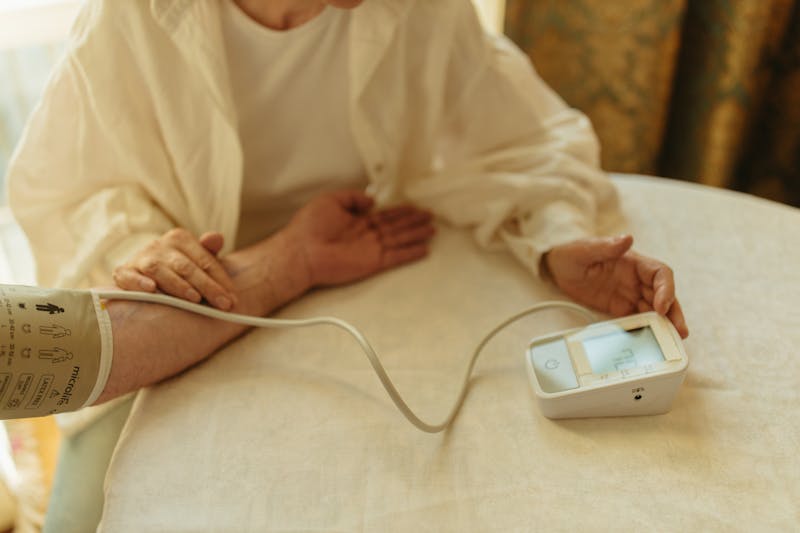
High blood pressure (hypertension) affects 120 million American adults — nearly half the adult population. It causes no symptoms until it has already damaged the heart, brain, kidneys, and blood vessels. That is why it is called the silent killer.
Understanding the numbers: Blood pressure is measured in two numbers. Systolic (top number) — pressure during heartbeats. Diastolic (bottom number) — pressure between beats. Normal: below 120/80 mmHg. Elevated: 120–129/under 80. Stage 1 hypertension: 130–139/80–89. Stage 2: 140+/90+. Hypertensive crisis requiring emergency care: 180+/120+.
Why it matters: Uncontrolled hypertension is the leading risk factor for stroke, the leading cause of heart failure, causes chronic kidney disease and eventual dialysis need, damages retinal blood vessels causing vision loss, and increases dementia risk by 60%.
Lifestyle changes that lower blood pressure: The DASH eating pattern (rich in fruits, vegetables, low-fat dairy, and low in sodium) reduces blood pressure by 8–14 mmHg — comparable to one medication. Sodium restriction to under 2,300 mg/day. Aerobic exercise 150 minutes/week reduces blood pressure by 5–8 mmHg. Weight loss of 1 kg reduces systolic blood pressure by approximately 1 mmHg.
When medication is needed: Stage 2 hypertension or Stage 1 with cardiovascular risk requires medication alongside lifestyle changes. First-line drugs include ACE inhibitors, ARBs, thiazide diuretics, and calcium channel blockers — all are inexpensive, well-tolerated generics. Most people achieve target blood pressure with one or two medications.
Home monitoring is essential: Office blood pressure readings can be elevated by anxiety (white-coat hypertension). A validated home blood pressure monitor (upper arm, not wrist) costs $30–50 and gives a far more accurate picture. Take two readings morning and evening for 7 consecutive days before any medication change.
Dr. Emily Rodriguez offers comprehensive cardiovascular risk assessment and hypertension management at SilverOak Regional Hospital, Dallas. Video consultations for hypertension follow-up are available daily.