
Understanding Osteoporosis: Prevention, Detection, and Treatment
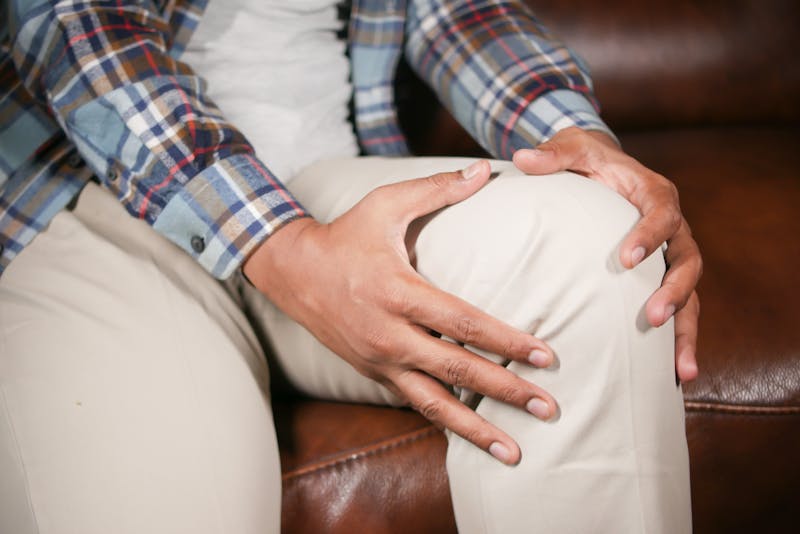
Osteoporosis — characterised by low bone density and deterioration of bone microarchitecture — is a major public health problem affecting an estimated 10 million Americans, with a further 44 million having low bone density that places them at increased fracture risk. Often called a 'silent disease' because bone loss occurs without pain or obvious symptoms, osteoporosis typically declares itself only when a fracture occurs — frequently at the hip, spine, or wrist. In the United States, osteoporosis causes approximately two million fractures per year, at a direct medical cost exceeding 19 billion dollars annually.
Bone is dynamic living tissue constantly being remodelled — old bone is broken down by osteoclast cells and new bone is built by osteoblast cells. Peak bone mass is achieved in the late 20s to early 30s, after which a gradual net decline begins. In women, the accelerated oestrogen loss of menopause — particularly in the first five to ten years — dramatically accelerates bone loss, with women losing up to 20% of bone density in this period. Men lose bone more slowly and develop osteoporosis later, though one in four men over 50 will experience an osteoporotic fracture in their lifetime.
Several risk factors beyond sex and age increase osteoporosis risk. A family history of hip fracture, personal history of fragility fracture after age 50, long-term corticosteroid use (one of the most common drug-induced causes), smoking, excessive alcohol (more than three units per day), low body weight or eating disorders, calcium and vitamin D deficiency, prolonged immobility, and secondary causes including rheumatoid arthritis, hyperthyroidism, hyperparathyroidism, coeliac disease, and chronic kidney or liver disease all require heightened vigilance and earlier screening.
Diagnosis is made by dual-energy X-ray absorptiometry (DEXA) scan, which measures bone mineral density (BMD) at the lumbar spine and femoral neck and expresses the result as a T-score — the number of standard deviations above or below the mean for a healthy young adult. A T-score of -1.0 to -2.5 indicates osteopenia (low bone mass); -2.5 or below defines osteoporosis; -2.5 or below with one or more fragility fractures defines severe osteoporosis. The FRAX algorithm integrates BMD with clinical risk factors to calculate ten-year fracture probability, guiding treatment decisions more precisely than BMD alone.
Prevention is most effective when started early, but it is never too late to intervene. Adequate calcium intake throughout life — 1,000 mg daily for adults under 50, 1,200 mg for women over 50 and men over 70 — provides the raw material for bone mineralisation. Vitamin D 800–1,000 IU daily is essential for calcium absorption and direct bone health. Weight-bearing and resistance exercise — including walking, hiking, dancing, and weightlifting — stimulate osteoblast activity and have the dual benefit of improving balance and reducing fall risk. Smoking cessation and alcohol moderation are modifiable protective measures.
Pharmacological treatment is recommended for postmenopausal women and men over 50 with T-score ≤-2.5, or T-score between -1 and -2.5 with a ten-year hip fracture probability ≥3% or major osteoporotic fracture probability ≥20% on FRAX. Oral bisphosphonates — alendronate and risedronate — remain the most widely used first-line agents, reducing vertebral fracture risk by 40–70% and hip fracture risk by 40–50%. For patients unable to tolerate oral bisphosphonates, annual intravenous zoledronic acid is a highly effective alternative requiring only yearly infusion.
For patients with severe osteoporosis, multiple fractures, or inadequate response to antiresorptive therapy, anabolic agents that actively build bone offer superior fracture reduction. Teriparatide (recombinant PTH 1-34) and abaloparatide (PTH-related protein analogue) stimulate new bone formation and reduce vertebral fracture risk by up to 65%. Romosozumab, a monoclonal antibody blocking sclerostin, has the dual mechanism of building bone while simultaneously reducing resorption, producing the largest increases in bone density of any available agent. These agents are typically followed by antiresorptive therapy to consolidate gains.
Fall prevention is an essential component of osteoporosis management, because fractures require both fragile bone and a fall. Home hazard assessment (removing loose rugs, improving lighting, installing grab rails), balance and strengthening exercises (tai chi has strong evidence in fall prevention), annual vision and hearing checks, medication review to identify drugs contributing to dizziness or postural hypotension, and appropriate footwear all reduce fall risk in the older adult. Multidisciplinary fracture liaison services, which systematically identify and treat patients with fragility fractures, are proven to prevent subsequent fractures — but remain underutilised in many health systems.
Meet the Experts

Dr. Emily Rodriguez
Cardiology
Structural Heart Disease
Cardiology
Silvaris Heart & Vascular — Columbus, OH
14+ years experience
4.7(196)

Dr. Patricia Nelson
Obstetrics & Gynaecology
High-Risk Pregnancy
OB/GYN
Silvaris Women's Hospital — San Antonio, TX
20+ years experience
4.9(304)