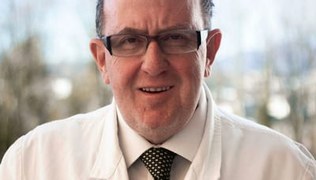
Carlos Rivera
End-stage renal disease (ESRD) secondary to IgA nephropathy, requiring five years of haemodialysis three times weekly before a deceased-donor kidney became available. Carlos presented with progressive fatigue, severe fluid overload, and dialysis-related cardiovascular complications. He was listed for transplantation following referral to the specialist nephrology and transplant service, underwent a thorough transplant work-up, and received a well-matched deceased-donor kidney. Post-operative management included immunosuppression induction and careful monitoring for rejection and infection.
Carlos Rivera was thirty-eight years old when he was told his kidneys were failing. The diagnosis of IgA nephropathy had arrived three years earlier, but the progression to end-stage renal disease happened faster than anyone had predicted. Within eighteen months of diagnosis, Carlos was on haemodialysis three times a week, spending four hours tethered to a machine each session while his life reorganised itself around a treatment schedule that left little room for anything else. He was a construction site manager — a demanding, physical job — and dialysis was dismantling his ability to do it. He was exhausted in a way that rest could not touch, and the prospect of the next five, ten, or twenty years looked unbearably bleak.
Referral to the transplant service at Silvaris Transplant Center in Phoenix opened a different door. His transplant nephrologist and transplant coordinator spent three appointments conducting the most thorough medical evaluation Carlos had ever experienced: cardiac assessment, immunological profiling, cross-matching, psychological readiness assessment, and detailed education about what the transplant journey involved. "They never sold me false hope," Carlos says. "They explained that the wait could be long, that rejection was a real risk, that the immunosuppression had its own side effects. But they also told me that transplant was the best treatment for my quality of life, and that their outcomes were excellent. That honesty made me trust them completely."
Carlos was placed on the transplant waiting list and spent the next two years attending quarterly clinic appointments, maintaining his dialysis schedule, and keeping his phone charged to full battery at all times. The call came on a Thursday evening in late November. A deceased donor kidney had become available with a good immunological match. Carlos was instructed to come to hospital immediately, without eating. He rang his wife, who cried with relief. They drove to the transplant centre in near silence, holding hands at every red light. "I remember thinking: this is the night everything changes," he says. "Either way, after tonight, nothing is the same."
The transplant surgery lasted approximately three and a half hours. Carlos woke in the transplant intensive care unit with a functioning kidney — it had begun producing urine on the operating table, a sign the surgical team met with quiet satisfaction. The post-operative days involved intensive monitoring of his kidney function, immunosuppression levels, blood pressure, and fluid balance. His transplant nephrologist visited daily, explaining every number and trend with patience. The immunosuppression regimen — tacrolimus, mycophenolate, and a tapering course of prednisolone — was optimised over the first weeks. A mild episode of acute rejection in week three was identified early on surveillance biopsy and treated successfully with pulse steroids. "They caught it before I even knew something was wrong," Carlos says.
Three years after transplant, Carlos's creatinine is stable at 115 micromol/L — comfortably within the normal range. He returned to work full time eight months after surgery, and last year he ran his first 5K race. He attends three-monthly transplant clinic appointments and manages his immunosuppression regime with the discipline and knowledge his team built in him from the start. His transplant coordinator has become, he says, one of the most important people in his life. "She held me through the wait, the night of the call, the hard days after surgery, and the years since," he says. "I owe my life to the donor family. But I owe the quality of that life to the team at Silvaris. I tell that to anyone who will listen."