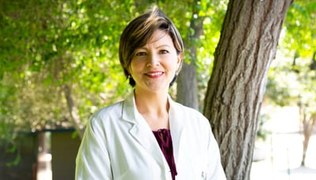
Linda Chen
Stage II invasive ductal carcinoma of the right breast, oestrogen-receptor positive, HER2 negative. Linda presented after a routine mammogram detected a 2.3 cm mass with associated axillary lymphadenopathy. Core needle biopsy confirmed intermediate-grade invasive ductal carcinoma. Genomic profiling via Oncotype DX scoring guided the decision to proceed with adjuvant chemotherapy followed by breast-conserving surgery, radiotherapy, and five years of aromatase inhibitor therapy. Sentinel lymph node biopsy revealed two positive nodes, confirming regional spread.
Linda Chen was forty-eight when a routine mammogram changed everything. She had been diligent about her annual screenings — her mother had survived breast cancer in her fifties — so when the radiologist called asking her to come back for further imaging, she was frightened but not entirely surprised. A biopsy confirmed invasive ductal carcinoma in her right breast with involvement of two axillary lymph nodes. Sitting in the oncologist's office that afternoon, holding her husband's hand, Linda made a silent promise to herself: she would fight this with everything she had.
The oncology team at Silvaris Cancer Center in Nashville developed a personalised treatment plan that began with four cycles of neoadjuvant chemotherapy to shrink the tumour before surgery. Linda's oncologist explained every step of the process, including the likely side effects and how to manage them. "I appreciated that she never sugarcoated anything," Linda says. "But she also never let me lose hope. She told me that the treatment was tough but that she had seen this exact cancer respond beautifully, and she was right." A clinical nurse specialist became Linda's consistent point of contact throughout treatment, a lifeline on the hard days.
Chemotherapy was gruelling. Linda lost her hair, struggled with fatigue so profound she could barely walk to the kitchen, and experienced nausea that made eating feel impossible. The supportive care team intervened with anti-nausea medication adjustments, nutritional supplements, and a referral to the oncology social worker who helped Linda access a local support group for women undergoing breast cancer treatment. Her husband and two teenage sons reorganised their schedules to ensure she was never alone during infusion sessions. "The whole family became my care team," she says. "Silvaris became our second home."
Breast-conserving surgery followed chemotherapy, and pathology confirmed a near-complete pathological response — a sign that treatment was working extraordinarily well. Six weeks of daily radiotherapy completed the local treatment. Linda then began aromatase inhibitor therapy, which she continues today. Annual imaging and regular oncology follow-ups form part of her ongoing surveillance. Her oncologist and breast care nurse have remained constant presences, celebrating each clear scan with genuine warmth. "There is a moment at each follow-up where I hold my breath waiting for the results," Linda admits. "And every time, they share in my relief. That connection matters so much."
Three years on from her diagnosis, Linda is thriving. She has returned to her career as a secondary school teacher, resumed her yoga practice, and taken up swimming — something she had always wanted to try but never found the time for. She now fundraises for the cancer centre's patient support fund and participates in the hospital's "Tell Your Story" programme, speaking to newly diagnosed patients about her experience. "I want women sitting where I sat to know that this is survivable," she says. "The team at Silvaris fought for me when I didn't have the strength to fight for myself. Now I get to give some of that hope back."